
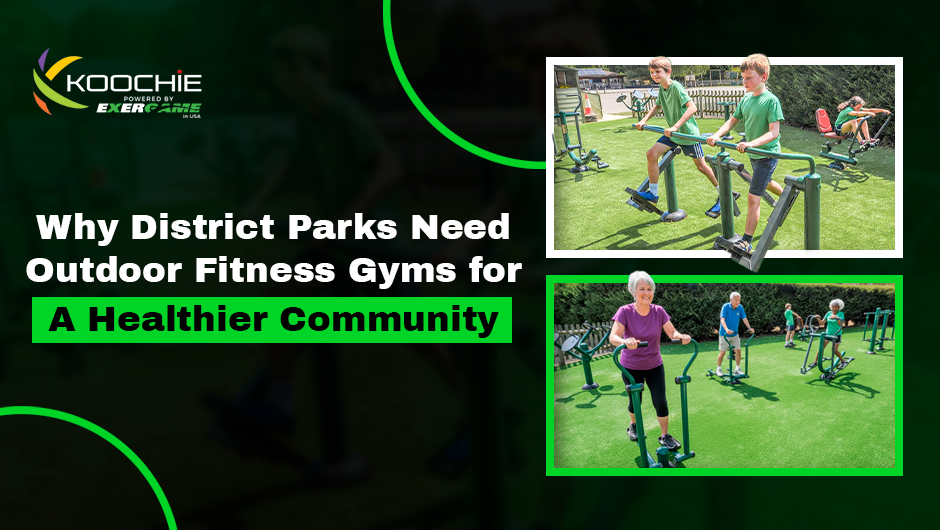
District parks are evolving into spaces that actively support wellness, not just recreation. Communities now expect parks to contribute to daily health in simple, visible ways. Outdoor fitness gyms have become a practical answer to this shift, offering movement opportunities without walls, memberships, or schedules. At Koochie Outdoor Fitness, this approach reflects a growing belief that public spaces should invite people to move naturally as part of everyday life.
A Shift in How Communities Use Public Parks
Park usage today looks different from it did a decade ago. People want spaces that encourage activity without pressure. Outdoor fitness parks meet this expectation by blending exercise into open environments where participation feels optional yet inviting. Instead of planning workouts, visitors discover opportunities for movement during regular park visits.
Participants often notice early changes, such as:
- Increased engagement during morning and evening hours
- More frequent return visits
- Broader participation across age groups
These patterns signal a deeper shift in how residents view parks, not as occasional destinations but as consistent parts of daily routines.
Making Fitness Accessible Across Generations
Accessibility defines the success of modern park design. Outdoor fitness equipment for parks supports a range of abilities and fitness levels. Seniors use controlled movements to support balance and mobility, while adults engage in strength-based routines at their pace. This shared access removes the intimidation factor commonly associated with traditional gyms.
Equipment placement and intuitive design play an important role here. When instructions feel clear and movements feel safe, people are more likely to try, repeat, and build confidence over time.
Note: When fitness options feel inclusive, participation becomes consistent rather than occasional.
Encouraging Functional Physical Movement
Modern park fitness focuses on movements that support everyday strength. Outdoor exercise equipment promotes balance, coordination, and stability rather than isolated muscle training. This functional approach supports long-term physical health and reduces strain, especially for aging populations seeking low-impact options.
Benefits commonly associated with this type of movement:
- Improved joint mobility
- Better posture support
- Increased daily energy levels
Over time, these improvements contribute to independence and quality of life, especially for residents who prefer activity integrated into familiar environments.
Supporting Mental Well-Being Through Outdoor Activity
Time spent outdoors has a measurable impact on emotional health. Exercise for mental health becomes more effective when movement happens in open spaces. Natural light, fresh air, and unstructured pacing reduce stress and support focus. Parks equipped for activity feel calmer and more welcoming as a result.
Many users describe outdoor workouts as restorative rather than demanding, which explains why these spaces attract repeat use without formal programming.
Building Stronger Community Connections
Parks succeed when people feel comfortable staying longer. Outdoor gym equipment for parks creates natural gathering points where interaction happens organically. Neighbors observe, join in, and share routines over time. These small interactions strengthen familiarity and trust within the community.
As relationships form, parks shift from anonymous spaces to shared environments where people feel a sense of belonging.
A Smart Long-Term Investment for Districts
From a planning perspective, durability matters. Outdoor fitness equipment for parks offers a long service life with minimal maintenance. Unlike indoor facilities, these installations do not require staffing or complex infrastructure. Districts can support public wellness while maintaining budget efficiency.
This long-term reliability allows planners to focus on program expansion rather than ongoing repairs or replacements.
Increasing Park Activity Throughout the Day
Parks have uneven usage, with quiet periods limiting engagement. Outdoor fitness gyms help distribute activity more evenly. Early mornings attract walkers, afternoons draw families, and evenings bring working adults. This steady flow increases visibility and contributes to a stronger sense of safety.
Note: Consistent park activity always improves how residents perceive cleanliness and care.
Supporting Youth and School-Aged Engagement
Proximity to schools adds another layer of value. Outdoor fitness equipment for school use supports physical education programs and informal activity. Students benefit from exposure to movement that emphasizes coordination and body awareness rather than competition.
This early interaction with fitness equipment helps normalize physical activity as a daily habit rather than a scheduled task.
Aligning With Modern Wellness-Oriented Planning
Today’s urban planning prioritizes health-forward design. Outdoor fitness parks integrate seamlessly into green spaces without disrupting natural flow. They complement walking paths and recreational areas while maintaining open sightlines and accessibility.
This thoughtful integration allows districts to improve park offerings without sacrificing openness or flexibility.
The Broader Public Health Impact
Small daily actions create meaningful outcomes over time. Outdoor fitness gyms support preventive health by making movement visible and convenient. Communities with easy access to activity options experience improved overall well-being without relying solely on structured programs.
These subtle changes contribute to healthier populations while preserving the informal nature of public spaces.
Conclusion
Public parks shape how communities move, connect, and care for their health. By including outdooor fitness gyms, districts create environments that support everyday movement in natural ways. Koochie Outdoor Fitness reflects this vision by aligning park design with long-term wellness goals. When fitness becomes part of the landscape, parks grow into spaces that strengthen both individual health and community life.
Frequently Asked Questions on Why District Parks Need Outdoor Fitness Gyms for a Healthier Community:
Q1: Why are outdoor fitness gyms effective in public parks?
A1: They provide easy access to movement opportunities without cost or scheduling barriers.
Q2: Who benefits from park-based fitness installations?
A2: Adults, seniors, youth, and beginners all benefit from inclusive design and flexible use.
Q3: Do outdoor fitness parks change how people use parks?
A3: Yes, they encourage longer visits, repeat use, and stronger community interaction.